Toyota Camry 2026 vs Honda Accord 2026 Which Midsize Sedan Is the Better Buy
New Cars
|
March 19, 2026
Toyota and Honda have earned their reputations over decades, but the 2026 versions are genuinely different from each other in ways that matter for specific buyers. This is not a tie. One of them fits your life better than the other.
The question is which one, and the answer depends on numbers, driving feel, and what you actually do with a car every week.
Starting Price and Trim Structure
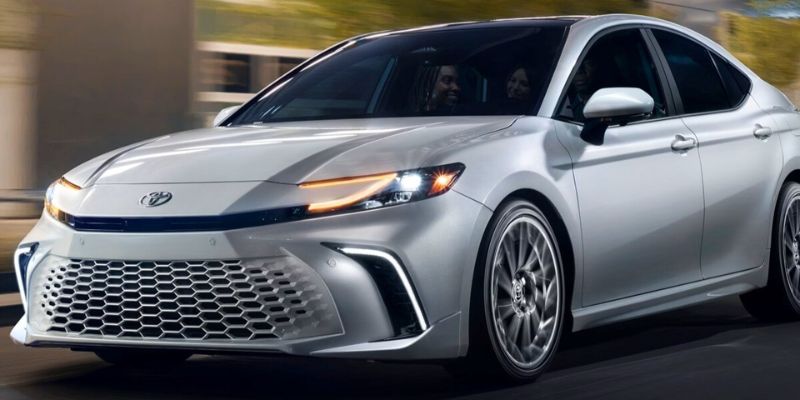
The 2026 Toyota Camry starts at $28,400 for the LE trim, which is now hybrid-only across the entire lineup. Toyota made that call for 2025 and carried it forward, meaning every Camry you buy in 2026 includes hybrid technology regardless of trim level. That changes the value equation considerably.
The 2026 Honda Accord starts at $28,600 for the Sport trim with a turbocharged 1.5-liter engine. The Accord Hybrid Sport starts at $33,500. So the Toyota Camry [1] delivers hybrid efficiency at a lower entry price than the Accord Hybrid, which is a meaningful advantage for fuel-conscious buyers comparing sticker prices directly.
Fuel Economy: Camry Wins This Round Clearly
The 2026 Camry LE Hybrid returns approximately 51 MPG combined in front-wheel drive. The XSE AWD variant drops to around 43 MPG combined due to the added drivetrain weight. Either figure beats the standard Accord Sport's approximately 32 MPG combined by a substantial margin.
The Accord Hybrid Sport closes the gap significantly at around 44 MPG combined, but still trails the Camry. For a driver covering 15,000 miles annually, the Camry's fuel economy advantage translates to roughly $400 to $600 in annual savings over the Accord Hybrid and considerably more against the non-hybrid Accord. Over five years, that compounds into a real number.
Engine Performance: Accord Pulls Ahead
Fuel economy figures do not tell the complete performance story. The standard Accord Sport's 1.5-liter turbo produces 192 horsepower, and the Accord Sport Hybrid makes 204 horsepower with a combined system output that delivers strong low-end torque. Zero to 60 mph in the Accord Hybrid runs around 6.5 seconds.
The Camry Hybrid LE produces 225 horsepower combined and hits 60 mph in approximately 7.0 seconds. The Camry XSE with AWD feels more responsive due to torque distribution, but in straight comparisons at equivalent trim levels, the Accord feels more eager off the line. Buyers who notice throttle response in daily driving will prefer the Accord's character.
Interior Quality: Closer Than Expected
Both cabins have made meaningful strides. The 2026 Camry interior uses a 12.3-inch infotainment display paired with an 8.0-inch climate control screen on upper trims, creating a layered tech layout that looks impressive but can feel slightly overwhelming during initial ownership. The materials are solid, with soft surfaces in the right places and consistent build quality throughout.
The 2026 Honda Accord uses a 12.3-inch display alongside a separate 9.0-inch climate panel on Sport and above. Honda's layout benefits from physical shortcut buttons flanking the main screen, which makes common functions accessible without menu navigation. After a week of daily use, most drivers find the Accord's interface marginally more intuitive than the Camry's.
Rear Seat and Passenger Space
This is where the Accord builds a meaningful advantage. The 2026 Accord provides 40.4 inches of rear legroom, which is genuinely generous for a midsize sedan. Tall adults sit comfortably without knees pressing into the front seatback, and the rear seat cushion length is long enough to support thigh comfort on longer trips.
The 2026 Camry offers 38.9 inches of rear legroom, which is adequate but noticeably tighter than the Accord when passengers are sitting behind taller front occupants. Families who regularly carry adults in the rear seat will notice this difference. The Accord wins rear-seat comfort without much debate across most head-to-head comparisons.
Cargo Space
The Camry offers 15.1 cubic feet of trunk space. The Accord provides 16.7 cubic feet. Both figures are competitive within the midsize sedan segment, but the Accord's larger opening and slightly more usable shape give it a practical edge for travelers packing for weekend trips.
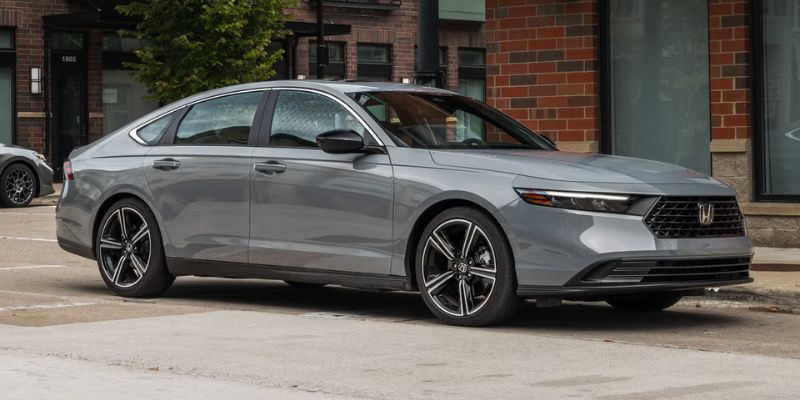
Neither car offers fold-flat rear seats, which is a limitation shared across both models. For buyers who occasionally need to carry long items, this matters. The Honda Accord [2] does include a small pass-through opening in select configurations, which partially addresses the limitation for skis or other narrow items. It is not a complete solution, but it is better than nothing.
Driver Assistance and Safety Technology
Both vehicles come standard with comprehensive driver assistance suites. Toyota Safety Sense 3.0 on the Camry covers pre-collision warning, lane centering, radar cruise control, automatic high beams, and lane departure alert. Honda Sensing on the Accord covers equivalent functions with the addition of traffic sign recognition across more trims.
Real-world performance of both systems is strong. The Camry's lane centering tends to hold its lane position with slightly more confidence on curved highway sections. The Accord's adaptive cruise control integrates more smoothly in stop-and-go traffic, with a more natural brake application feel. Both systems are genuinely good, which means this category effectively splits between the two cars depending on your primary driving environment.
Reliability and Long-Term Ownership Costs
Toyota's reliability reputation has historically edged Honda in long-term studies, and the Camry benefits from decades of powertrain refinement. The hybrid system in the current Camry generation has an established track record across multiple model years, which reduces uncertainty for buyers concerned about hybrid component longevity.
The Accord Hybrid is newer in its current generation, though Honda's hybrid technology has proven durable across the CR-V Hybrid and Insight lineups. RepairPal data suggests average annual maintenance costs around $388 for the Camry versus approximately $400 for the Accord. The long-term reliability difference [3] between these two is narrow enough that neither choice carries meaningful long-term risk for most buyers.
Resale Value Comparison
Both the Camry and Accord hold their value well relative to the midsize sedan segment average. The Camry has historically retained a slight edge in resale value percentage at three years, largely driven by its reliability reputation and consistent consumer demand. A 2026 Camry XSE is expected to retain approximately 54 percent of its value at 36 months.
The Accord typically retains around 51 to 53 percent at the same interval, which is competitive but consistently trails the Camry by a small margin. For buyers planning to sell or trade within four years, that difference represents roughly $800 to $1,200 in actual resale dollar terms. Not dramatic, but real enough to factor into a total cost of ownership calculation.
Which Buyer Fits Each Car
The Camry is the stronger choice for buyers who prioritize fuel efficiency above everything else, plan to own the vehicle for seven or more years, value Toyota's established hybrid reliability record, and are willing to accept slightly less rear seat space and a slightly softer driving character in exchange for exceptional running costs.
The Accord is the stronger choice for buyers who carry adult rear passengers regularly, prefer a more responsive driving feel in daily use, want a slightly more intuitive infotainment setup, and need maximum cargo flexibility. The non-hybrid Accord Sport at $28,600 also makes sense for buyers who simply do not want hybrid complexity at any price.
Making the Final Decision
If you drive mostly highway miles and fuel costs are a primary concern, test drive the Camry LE Hybrid first and run the five-year fuel savings calculation against your actual annual mileage. The math is frequently persuasive enough to settle the debate before you reach the Honda lot.
If rear passenger comfort, throttle response, and cargo space rank higher on your priority list than MPG, the Accord deserves equal test drive time. Spend at least 30 minutes in each car on real roads before committing. Ask each dealer for their best out-the-door price in writing, then compare total five-year cost of ownership including estimated fuel, insurance, and maintenance across both options. The right answer will become considerably clearer than any article comparison can deliver from a distance.
References
[1] Toyota Official Site – https://www.toyota.com
[2] Honda Official Site – https://www.honda.com
[3] U.S. Department of Energy Fuel Economy – https://www.fueleconomy.gov
Related Posts
Sedan or SUV What You Need to Know Before Deciding in 2026
Top 10 Upcoming SUVs Everyone Is Waiting For in 2026 and Beyond

10 Must-Have Car Accessories for Rainy Season That Actually Keep You Safe
Honda CR-V 2026 vs Toyota RAV4 2026 Which Is More Reliable and Cheaper to Own
The Most Futuristic Cars You'll See in the Next 2 Years Real Vehicles, Not Concepts